

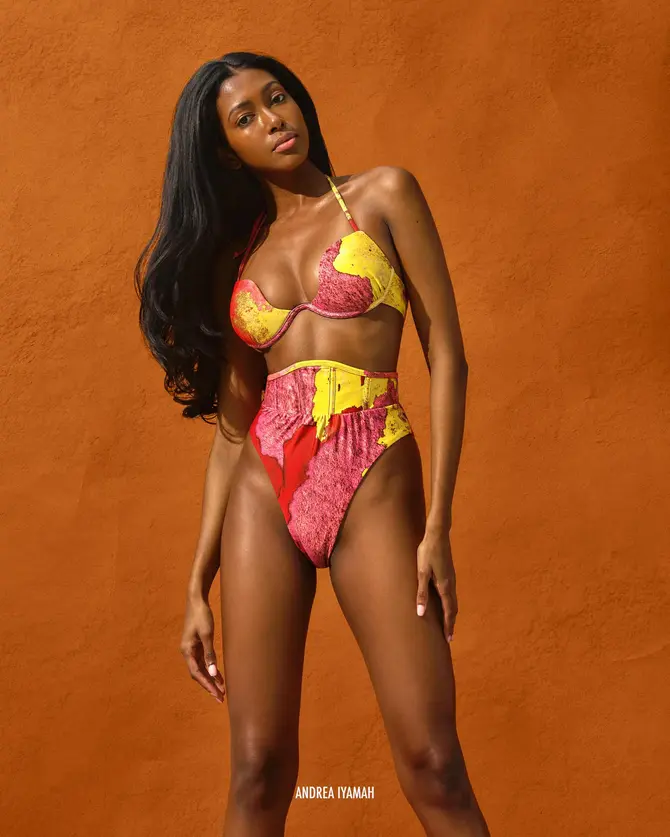
The best Black-owned swimwear brands in 2026 offer everything from bold African-print bikinis to minimalist luxury one-pieces — all designed by Black founders who understand style, curves, and cultural identity from the inside. Whether you're on the hunt for your
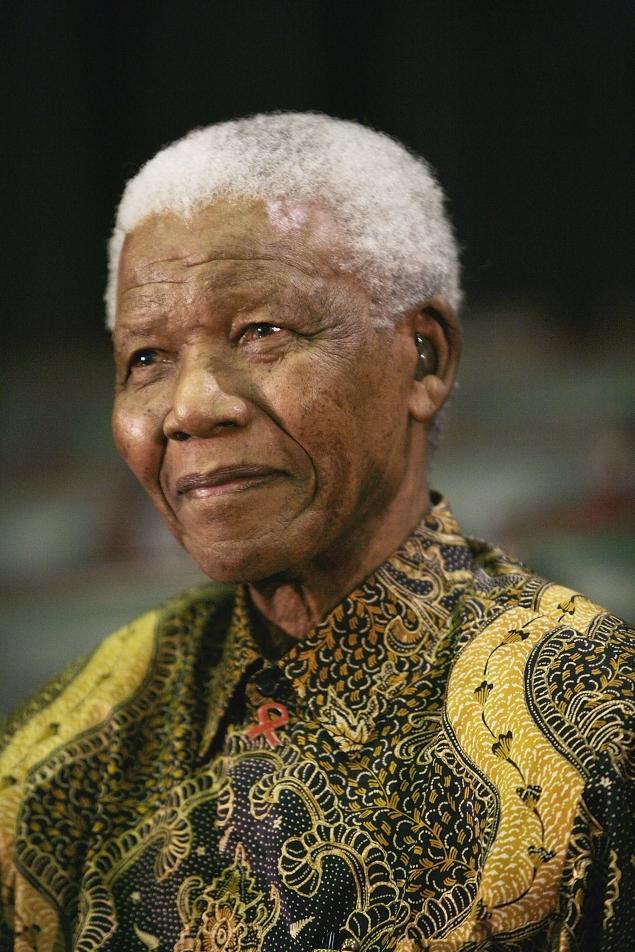
Nelson Mandela's Madiba shirts are loose-fitting, brightly patterned silk shirts worn untucked without a tie — and one of the most politically significant pieces of clothing of the 20th century. Mandela wore them as President of South Africa from 1994,
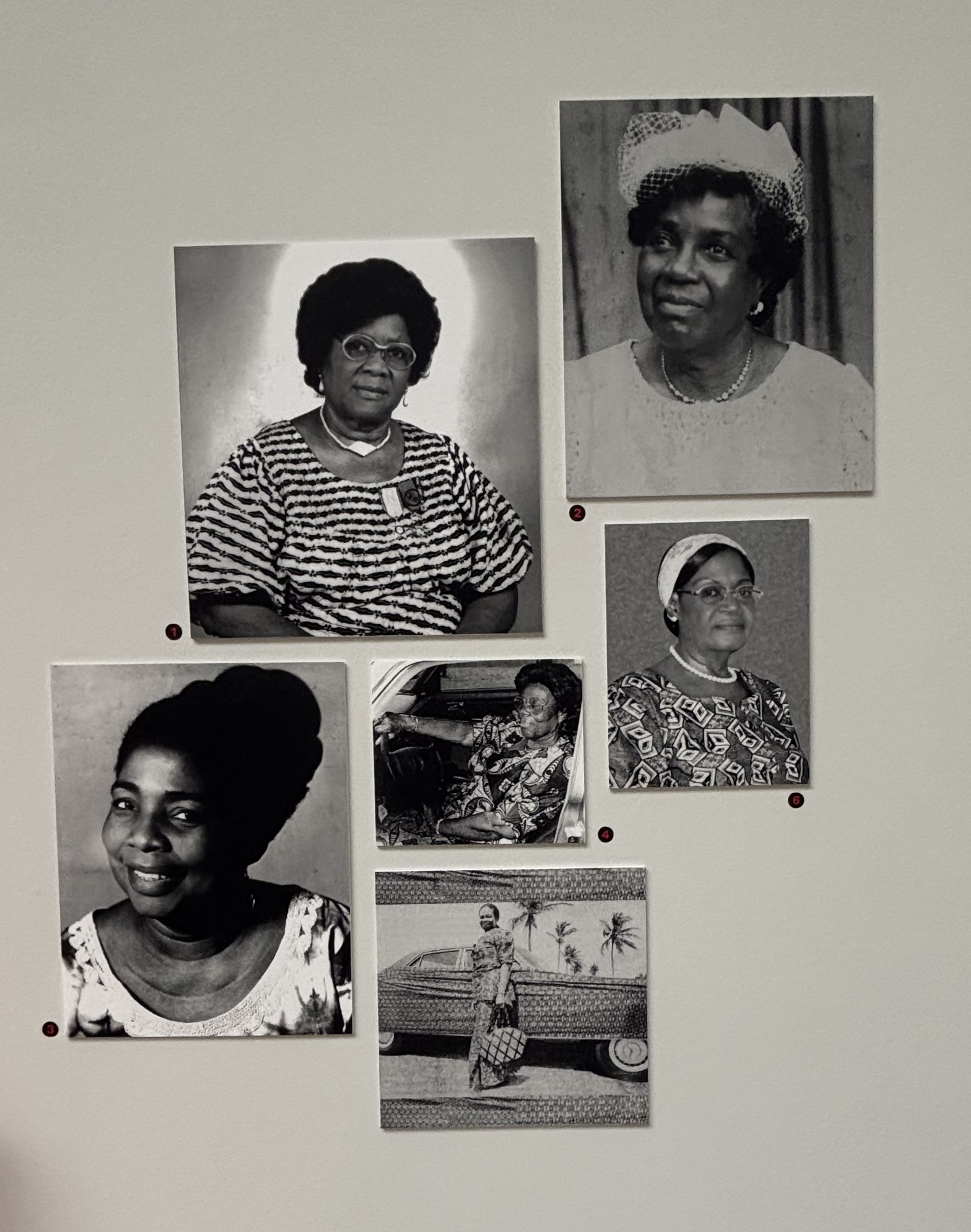
Before anyone was talking about female entrepreneurship as a business school concept, a group of women in Lomé, Togo were running one of the most powerful commercial empires in West Africa. They were called the Nana Benz. And the story of
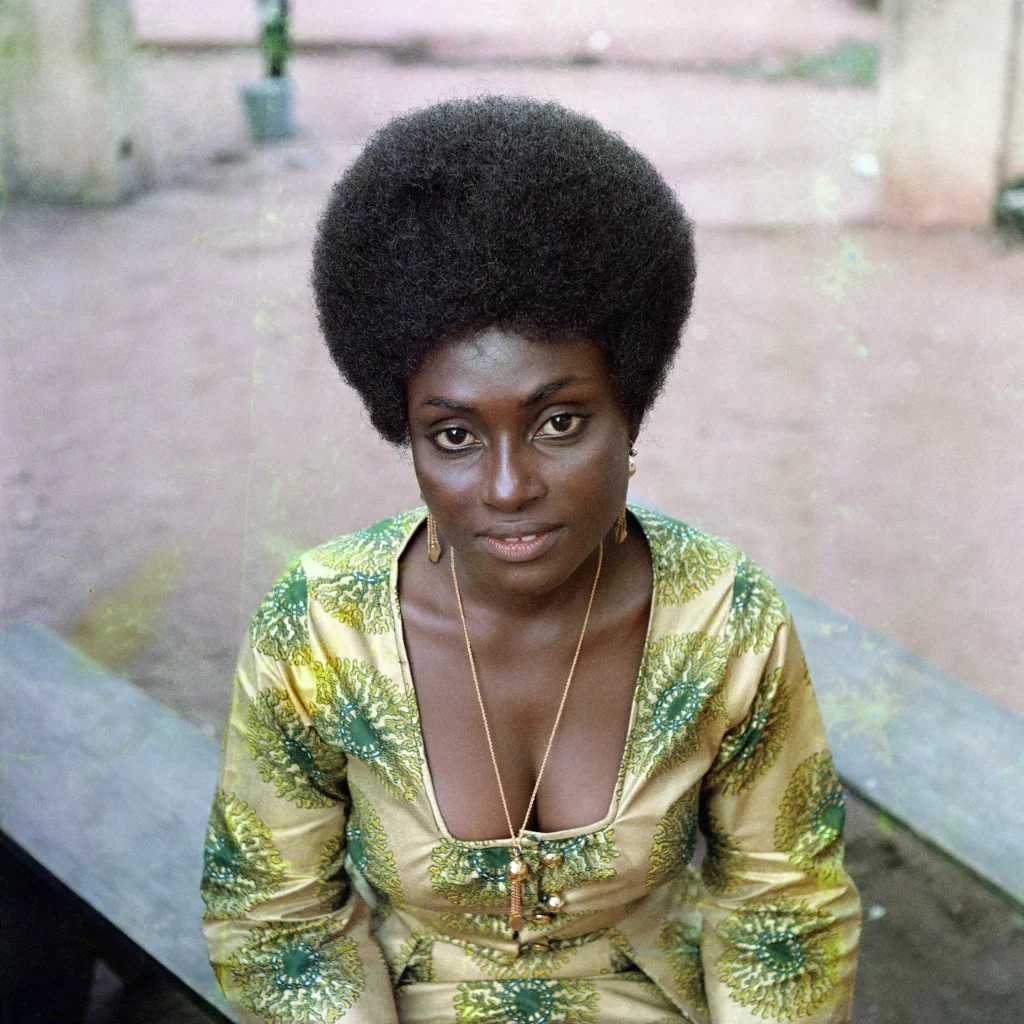
Introduction In 1957, Kwame Nkrumah stood before a crowd of hundreds of thousands in Accra and declared Ghana's independence from British colonial rule. He was wearing Kente cloth. That choice — deliberate, defiant, and deeply symbolic — announced something far beyond politics:
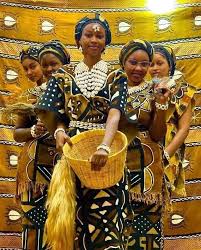
One of the most persistent myths about Africa is that its people had no fashion before European contact, that dress was minimal, unsophisticated, or merely functional. This myth is not just wrong. It is a colonial fabrication designed to
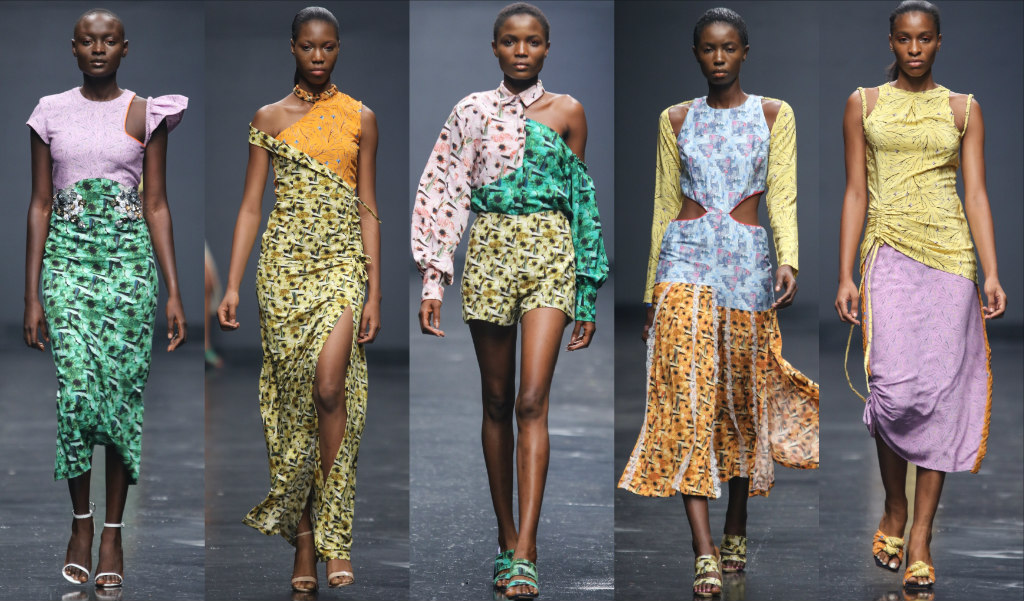
African fashion is one of the most diverse, historically rich, and creatively powerful fashion traditions on the planet. It spans 54 countries, thousands of ethnic groups, and at least 100,000 years of human creativity, from the earliest known use of
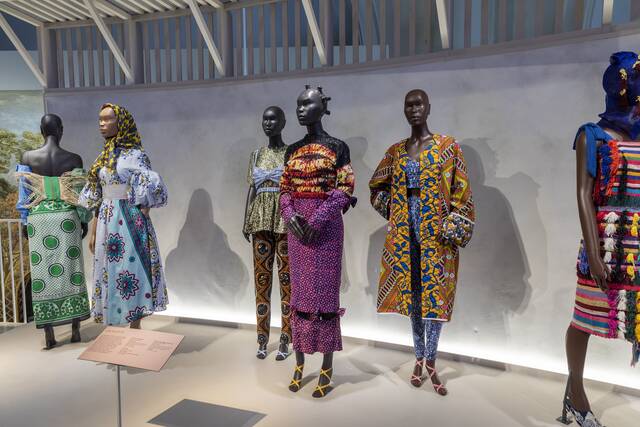
When people talk about African fashion, they often imagine a single aesthetic defined by bold prints, vibrant colours, and flowing silhouettes. But African fashion is not one thing. It is the expression of over 3,000 distinct ethnic groups, 54 countries,
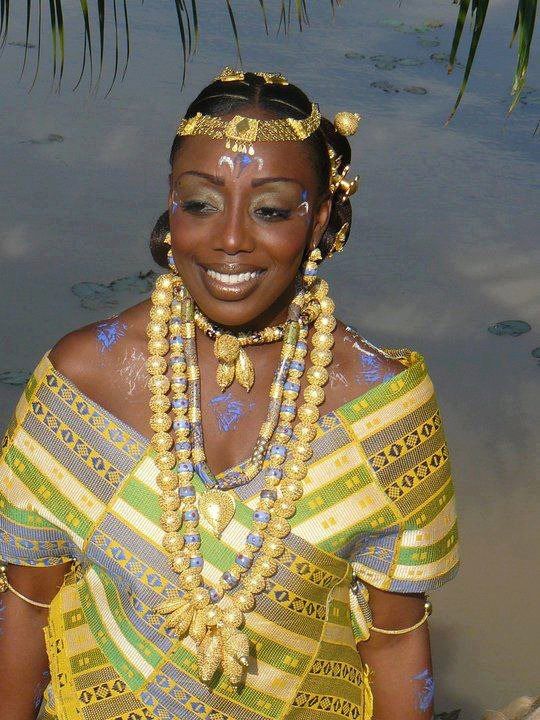
The Akan traditional wedding outfit holds great significance in West Africa, particularly in Ghana and Côte d’Ivoire. Couples choose this majestic attire to emulate the grandeur of the royal court's festivities. Kente for traditional marriage When it comes to the Akan traditional
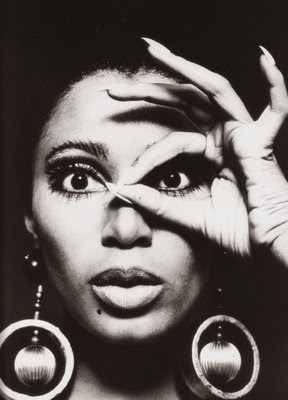
Helen Williams and Naomi Sims paved the way for black women to pursue their career as a model. In the 60’s, a young black woman called Donyale Luna took the fashion world by storm, becoming the first African-American model to appear
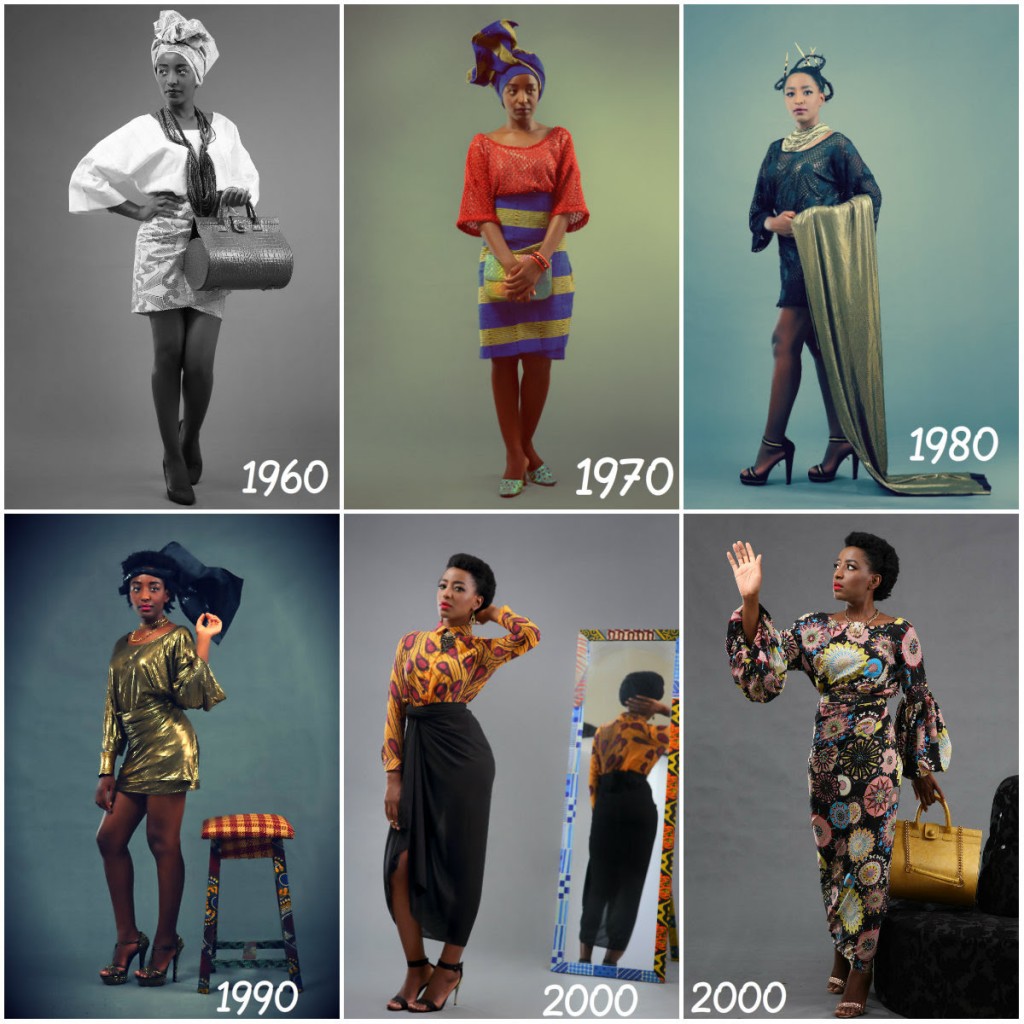
Iro and Buba is a traditional attire worn by Yoruba women in southwest Nigeria. This outfit experienced its heyday during the decades spanning the 1950s to the early 1980s. However, over time, this fashion trend adopted an and “oldish” air,