
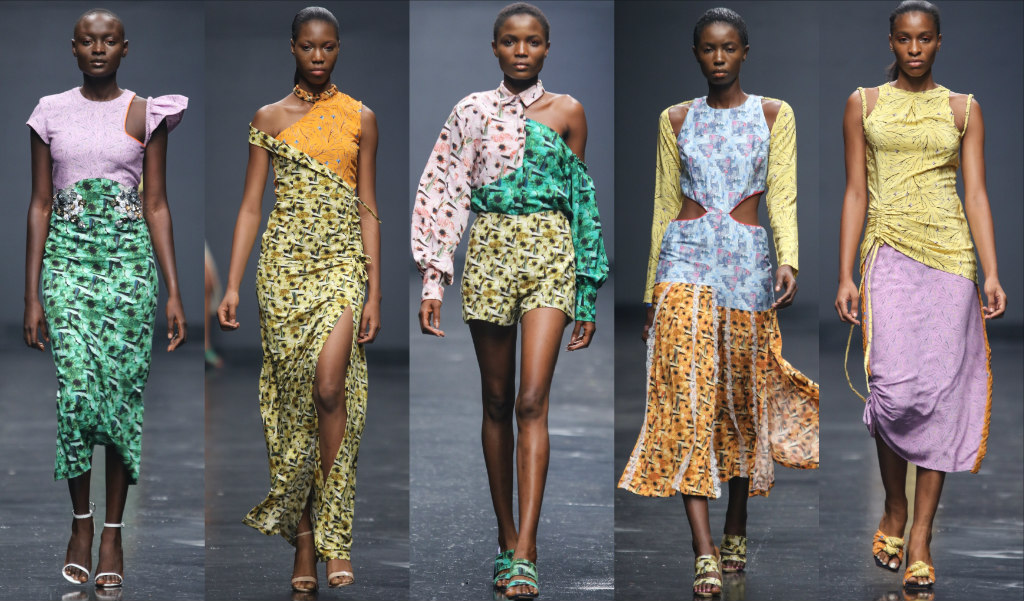
African Fashion: The Ultimate Guide
African fashion is one of the most diverse, historically rich, and creatively powerful fashion traditions on the planet. It spans 54 countries, thousands of ethnic groups, and at least 100,000 years of human creativity, from the earliest known use of ochre and shells as personal adornment in South Africa, to the hand-woven Kente cloths of Ghana’s Ashanti kingdom, to the contemporary designers reshaping global style from Lagos, Johannesburg, and Dakar.
And yet African fashion is still, in many parts of the world, misunderstood, reduced to a single aesthetic, treated as exotic, or overlooked entirely. This guide exists to change that.
Whether you are discovering African fashion for the first time, deepening a knowledge you already have, or looking for specific information about fabrics, designers, regional traditions, or contemporary trends, this is your starting point. We have built a complete library of guides on every aspect of African fashion, and this page is the map.
Use the navigation below to explore every dimension of African fashion or read on for an overview of the continent’s extraordinary style story.
WHAT YOU’LL FIND IN THIS GUIDE
- The History of African Fashion — ancient origins to global runways
- African Fashion Designers — the names reshaping the industry
- African Fabrics & Prints — Kente, Ankara, Bogolan, and beyond
- Traditional African Clothing by Region — West, East, South, North Africa
- African Women’s & Men’s Fashion — styles, inspiration, and guides
- Modern & Contemporary African Fashion — trends, sustainability, and the future
What Is African Fashion?
The most important thing to understand about African fashion is that it is not one thing. The continent of Africa is home to more cultural diversity than any other landmass on earth. Its 54 countries contain over 3,000 distinct ethnic groups, each with their own textile traditions, garment forms, colour systems, and aesthetic values.
When people speak of ‘African fashion’, they are really speaking of a family of related but distinct traditions. These traditions share certain broad characteristics (a deep relationship between dress and identity, the central importance of fabric and colour, the use of clothing to communicate social information) while differing enormously in their specific forms.
African fashion is also not static. It has been evolving for thousands of years, absorbing influences from trade routes, migration, colonisation, independence movements, globalisation, and the internet while maintaining a continuity with its own aesthetic and cultural values. Contemporary African fashion is not a departure from tradition. It is tradition in motion.
One more thing worth stating clearly: African fashion is not peripheral to global fashion. It is one of its creative centres. The designers, fabrics, and aesthetics emerging from Africa today are shaping trends that appear on runways and high streets worldwide. Understanding African fashion is not a niche interest; it is essential fashion literacy.
The History of African Fashion
African fashion has the longest history of any fashion tradition on earth. The earliest evidence of personal adornment, the use of ochre pigment and shells as decoration, has been found in South African caves dating back over 100,000 years. Long before the first European fashion house opened its doors, African peoples had developed sophisticated textile traditions of extraordinary beauty and complexity.
The story moves through several major periods. In ancient times, each region developed its own distinctive materials and techniques: bark cloth in Central Africa, linen in Egypt, cotton in the Sahel, raffia in the Congo Basin. The trans-Saharan and Indian Ocean trade routes brought new fibres, dyes, and techniques, and African weavers and dyers transformed these influences into something entirely their own.
Colonisation disrupted and suppressed many of these traditions, but it did not destroy them. The post-independence era of the 1950s, 60s, and 70s saw a fashion renaissance as African nations reclaimed their cultural expression. The Kente-draped inaugurations of newly independent leaders, the dashiki’s journey from everyday West African wear to global symbol of Black pride, the extraordinary women traders who controlled the wax print market from Lomé to Lagos, all of this was fashion as politics, as resistance, as identity.
Today, African fashion stands at a historic moment of global recognition, and the history that brought it here is one of the richest stories in the history of human creativity.
→ Explore the full story:
| The History of African Fashion — Complete Guide From ancient bark cloth to contemporary runways. Covers pre-colonial traditions, the colonial era, independence movements, and the global rise of African design. |
Articles in this section:
- History of African Fashion: From Ancient Roots to the Global Stage
- Nelson Mandela’s Madiba Shirt: When Fashion Meets Politics
African Fashion Designers
The 21st century has produced a generation of African designers who are not just competing with European and American fashion houses — they are leading the global conversation. From Thebe Magugu, who became the first African designer to win the LVMH Prize, to Kenneth Ize’s reinterpretation of Yoruba weaving traditions for the global luxury market; from the trail-blazing Alphadi who founded Africa’s first international fashion festival to the new wave of Nigerian designers reimagining masculinity, identity, and cultural belonging — African fashion design is one of the most exciting creative fields in the world.
This section also explores a longer history: the African American fashion designers whose contributions to global style have often gone uncredited, the first Black models who opened doors that had been shut for too long, and the fashion shows and institutions that built the infrastructure for Black creative excellence in fashion.
These are not marginal stories. They are central to understanding how fashion — as an industry, as a culture, as a language — actually works.
African Fabrics & Prints
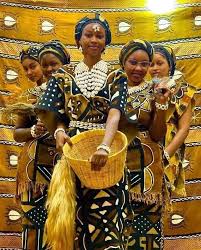
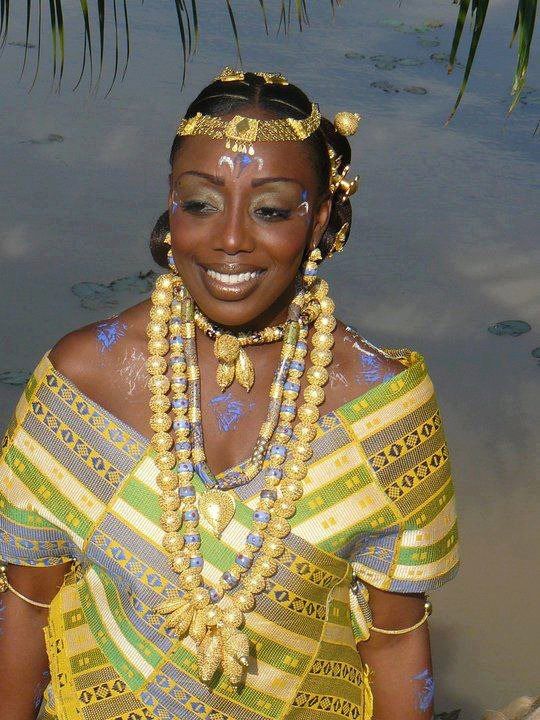
If African fashion has a foundation, it is fabric. The textiles of Africa are among the most technically sophisticated, culturally rich, and visually extraordinary in the world. Kente cloth, hand-woven in silk and cotton by the Ashanti of Ghana, with patterns that carry specific names and meanings. Bogolan, mud cloth, made by the Bamana of Mali through a process of resist dyeing with fermented mud, each geometric pattern encoding cultural memory. Ankara wax print, with its ironic history: invented in the Netherlands, rejected in Indonesia, claimed and transformed by West Africa until its origins were forgotten.
Understanding African fabrics means understanding that textile production is never just a craft; it is a cultural practice. Who weaves, who dyes, who wears, and on what occasion are all socially determined. The fabric is the message as much as the garment.
This section covers every major African textile, its origins, its production, its cultural significance, and how it is worn and styled today.
Traditional African Clothing by Region
One of the most common misconceptions about African fashion is that it is uniform, that there is a single ‘African style.’ In reality, the continent’s clothing traditions are as diverse as its languages, landscapes, and peoples. What a Maasai warrior wears in the Kenyan Rift Valley shares almost nothing with the djellaba of a Moroccan medina, which in turn differs entirely from the Zulu beadwork of KwaZulu-Natal or the elaborately embroidered boubou of a Senegalese ceremony.
Understanding African fashion by region means understanding that each tradition is the product of specific climates, specific histories, specific spiritual systems, and specific social structures. The Kanga of East Africa carries Swahili proverbs because East Africa is a Swahili-speaking culture that uses fabric as a vehicle for communication. The Kente of Ghana carries specific pattern names because the Ashanti kingdom had a court culture in which visual symbols encoded political and social information. These are not decorative choices — they are functional ones.
Our regional guides take you inside each of Africa’s five major fashion regions, West, East, South, North, and Central Africa, with articles on specific traditions, garments, fabrics, and the contemporary designers reinventing them.
African Fashion for Women & Men
African fashion for women is one of the most searched and most visually celebrated domains in global fashion. From the flowing grand boubous of West Africa to the precisely draped Ankara wrap dresses of contemporary Lagos fashion week, from the beaded ceremonial dress of a Ndebele woman to the minimal white linen of a modern Ethiopian look, the range is extraordinary.
African women’s fashion today exists at the intersection of tradition and modernity. Women across the continent and the diaspora wear traditional garments for ceremonies and celebrations, while incorporating African fabrics and aesthetics into contemporary wardrobes in ways that are entirely their own. The styling guides, inspiration pieces, and trend articles in this section are for anyone looking to engage more deeply with African women’s fashion, whether for a specific occasion or as a daily practice.
African men’s fashion is equally rich and far less discussed in mainstream fashion media. From the three-piece agbada of a Yoruba ceremony to the slim-cut Ankara suits of Lagos’s creative class; from the white jalabiya of the Egyptian Delta to the colourful shúkà of a Maasai elder, African menswear encompasses some of the most visually powerful and culturally significant garments in the world. This section takes it seriously.
Modern & Contemporary African Fashion
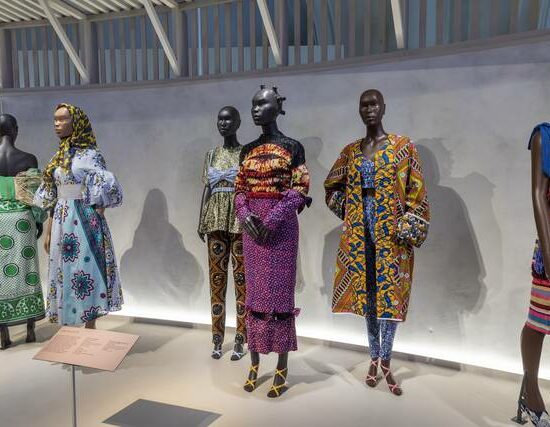
Contemporary African fashion is one of the most dynamic and internationally significant movements in global style today. African Fashion Weeks, in Lagos, Johannesburg, Dakar, and increasingly in London, New York, and Paris, are establishing the institutional infrastructure of a global industry. African designers are winning the LVMH Prize, dressing Hollywood royalty, and showing at Paris Haute Couture Week. The cultural moments, from Beyoncé’s Black Is King to the Met Gala’s Afrofuturist looks, have brought African aesthetics to audiences that had never encountered them before.
But contemporary African fashion is also about much more than celebrity moments. It is about sustainability, the deep tradition of artisanal craft production that is now recognised as one of fashion’s most ethical and environmentally sound models. It is about Afrofuturism, a creative movement that uses African aesthetics and science fiction to imagine African futures that are neither nostalgic nor imitative of the West. It is about fashion photography that captures the beauty and complexity of African life on the continent’s own terms. It is about the fashion weeks and fashion shows that are building a global industry from the inside out.
This section covers all of it, the trends, the movements, the institutions, and the ideas that are making African fashion the most exciting creative conversation of our time.
Why African Fashion Matters
This may seem like an obvious question to anyone already engaged with African fashion, but it is worth stating clearly for those arriving for the first time.
African fashion matters because it is the expression of the world’s most culturally diverse continent. It matters because it is one of the oldest and most technically sophisticated textile traditions on earth. It matters because it has survived colonisation, the slave trade, and cultural imperialism, and emerged not just intact but more powerful than ever.
It matters because the women who wove kente in Ghana, who named wax prints in Lomé, who built fashion empires at the Grand Marché de Lomé, who dressed post-independence Africa, deserve to be known and celebrated. It matters because the designers who are winning the LVMH Prize and dressing the Met Gala today are standing on the shoulders of generations of African creators whose work was ignored or appropriated or simply never credited.
And it matters because fashion, at its best, is one of the most democratic and universal forms of human expression. African fashion gives us an extraordinary window into how billions of people have used cloth and colour and cut to say who they are, where they come from, and what they believe. That is not a niche subject. That is what fashion is for.
Inspired by African fashion? Explore our collection of African-inspired art prints — original illustrations celebrating the beauty, history, and diversity of African style.
Start Exploring
This guide is a living document; we add new articles regularly as we cover more designers, more fabrics, more traditions, and more of the contemporary African fashion landscape. Use the section links above to navigate to whatever interests you most, or start at the beginning with our complete history of African fashion.
Every article in this library links back to this hub, so you can always find your way back to the map. And every article links forward, to deeper dives, more specific guides, and more of the extraordinary world of African fashion.
Not sure where to start? Begin with the history of African fashion, the foundation on which everything else builds.
Frequently Asked Questions About African Fashion
African fashion is the collective term for the clothing traditions, textile arts, and contemporary design movements of the African continent and its diaspora. It encompasses traditional garments, fabrics, and adornment practices from 54 countries and thousands of ethnic groups, as well as contemporary fashion design by African and African diaspora designers working globally.
The most internationally recognised African fabrics include Kente cloth (Ghana), Ankara wax print (West Africa), Bogolan or mud cloth (Mali), Aso-oke (Nigeria), Kanga (East Africa), Adinkra cloth (Ghana), and African lace. Each has its own history, production method, and cultural significance. For detailed guides to each fabric, see our African Fabrics section above.
Among the most influential contemporary African fashion designers are Thebe Magugu (South Africa, first African winner of the LVMH Prize), Laduma Ngxokolo of MaXhosa Africa (South Africa), Kenneth Ize (Nigeria), Imane Ayissi (Cameroon), Ozwald Boateng (Ghana/UK), and Alphadi (Niger). For full profiles and more names, see our African Fashion Designers section.
Ankara (also called African wax print) is a machine-printed cotton fabric made using a wax-resist technique, originally produced in the Netherlands and now manufactured across Asia and Africa. Kente is a hand-woven silk and cotton fabric made by the Ashanti people of Ghana on narrow strip looms. Kente is more expensive, more labour-intensive, and carries more specific cultural meaning — certain patterns were historically reserved for royalty. Ankara is more accessible and is worn across West and Central Africa for a wide range of occasions.
African fashion weeks are annual events that showcase African fashion designers and set trends for the continent’s fashion industry. The most important include Lagos Fashion Week (Nigeria), South African Fashion Week (Johannesburg and Cape Town), Dakar Fashion Week (Senegal), and Africa Fashion Week London. These events have become internationally recognised platforms for African design.
African fashion has influenced global fashion in multiple ways: through fabrics (wax print is now worn worldwide), through aesthetics (African prints, beadwork, and silhouettes appear in collections by major international houses), through designers (African and African diaspora designers are winning top industry prizes and showing at international fashion weeks), and through cultural moments (such as Beyoncé’s Black Is King, which brought African fashion to a global audience of hundreds of millions).